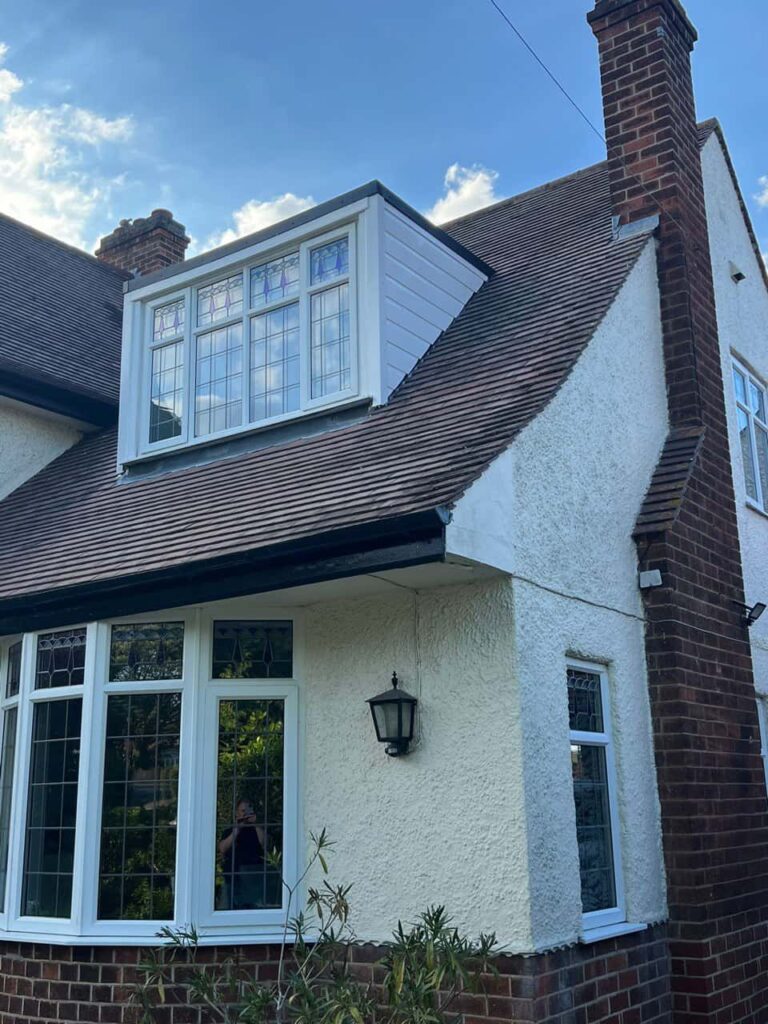
Water entering through a roof can quickly become a concern for any homeowner. Even a small leak can damage ceilings, insulation and roof timbers if it is left untreated. While the source may appear obvious, water can travel along the roof structure before becoming visible inside the property, making it important to identify the actual cause rather than simply treating the damp patch.
For homeowners in Warminster, Wiltshire, understanding the common causes of roof leaks can help you recognise warning signs and arrange suitable repairs before the damage becomes more extensive. Whether the problem involves damaged tiles, defective flashing or deteriorating roofing materials, prompt attention helps maintain the protection your roof provides.
Common Reasons Water Enters Through Your Roof
Broken, Cracked or Missing Roof Tiles
Roof tiles form the outer protective layer of a pitched roof. Strong winds, falling debris, ageing materials and general wear can cause tiles to crack, break or become dislodged.
Even a small gap can allow rainwater to reach the underlay and underlying roof structure. You may notice damp patches in the loft, water stains on ceilings or visible daylight through gaps in the roof covering.
The usual solution is to replace damaged or missing tiles and check the surrounding area for further defects. If the underlay or supporting battens have also been affected, additional repairs may be necessary to restore proper protection.
Damaged or Deteriorating Roof Flashing
Flashing creates a weatherproof seal around vulnerable roof junctions, including chimneys, roof valleys and points where the roof meets a wall. Over time, flashing can crack, lift, loosen or deteriorate, allowing rainwater to enter.
Leaks around chimneys are particularly easy to misidentify because water may travel along roof timbers before appearing on an internal ceiling.
A suitable repair may involve resecuring, repairing or replacing the defective flashing. The surrounding masonry and roof coverings should also be inspected to ensure the source of the leak has been fully addressed.
Blocked or Damaged Roof Valleys
Roof valleys collect and channel rainwater where two roof slopes meet. Because they carry water from a relatively large surface area, they must remain clear and in good condition.
Leaves, moss and debris can obstruct water flow, while damaged valley materials or deteriorated joints may allow moisture to penetrate beneath the roof covering.
Signs of a valley problem include dampness near the internal roof junction, water staining and leaks that become more noticeable during heavy rainfall. Clearing obstructions and repairing damaged valley sections can help restore effective drainage.
Worn or Torn Roofing Felt
Roofing felt provides an additional protective layer beneath roof tiles. It helps prevent wind-driven rain and moisture from reaching the roof structure if water passes the outer covering.
As felt ages, it can become brittle, split or sag. Damage may also occur during previous roofing work or as a result of prolonged moisture exposure.
If leaks continue despite replacing damaged tiles, the underlay may need closer inspection. Depending on the extent of deterioration, repairs may involve patching accessible defects or replacing a larger section of the material.
Loose or Damaged Ridge Tiles
Ridge tiles cover the highest point of a pitched roof and protect the junction between the roof slopes. The mortar securing them can weaken over time due to weather exposure and natural movement.
Loose ridge tiles can create gaps that allow rainwater into the roof. Crumbling mortar, visible movement and displaced tiles are warning signs that should not be ignored.
Repairs may involve renewing deteriorated mortar, securing loose tiles or installing an appropriate ridge fixing system, depending on the roof’s construction and condition.
Damaged Gutters and Roof Edges
Although gutters are separate from the main roof covering, problems with the drainage system can contribute to water entering around the roofline. Blocked gutters, leaking joints and poorly aligned sections may cause rainwater to overflow towards fascia boards and external walls.
Persistent moisture around the eaves can eventually affect roof timbers and internal areas. Keeping gutters clear and repairing damaged sections helps ensure rainwater is directed safely away from the property.
Warning Signs of a Roof Leak
Water does not always appear directly beneath the point where it enters the roof. Knowing what to look for can help you recognise a developing problem.
Common warning signs include:
- Brown or yellow stains on ceilings and upper walls.
- Peeling paint or bubbling plaster.
- Damp insulation or discoloured roof timbers in the loft.
- A persistent musty smell in upstairs rooms.
- Dripping water during or shortly after rainfall.
- Visible damage to tiles, flashing or other roof components.
If you notice any of these signs, avoid climbing onto the roof to investigate. A professional inspection can identify the source safely and establish which repairs are required.
Why Prompt Roof Leak Repairs Matter
A roof leak rarely improves by itself. Continued water ingress can damage insulation, weaken timber components and affect internal finishes. Moisture trapped within the roof space may also create conditions that encourage mould growth.
Arranging repairs early helps limit the spread of water damage and reduces the likelihood of related roofing components deteriorating. It is also important to identify the underlying cause. Repainting a stained ceiling or replacing a single tile will not provide a lasting solution if water is still entering elsewhere.
A thorough inspection should consider the visible defect as well as nearby tiles, flashing, underlay and drainage components.
Professional Roof Leak Repairs in Warminster
Finding the source of a roof leak requires an understanding of how the different roofing components work together. MCM Roofing Repairs Warminster can help homeowners in Warminster, Wiltshire, identify roofing defects and determine the most suitable repairs.
Whether you are dealing with missing tiles, damaged flashing, a leaking roof valley or signs of deteriorating underlay, a professional assessment can help establish the cause and prevent further deterioration.
If you have noticed water entering your property or signs of dampness around the roofline, contact MCM Roofing Repairs Warminster to arrange an inspection and discuss the appropriate solution.
Conclusion
Water entering through a roof can result from several problems, including damaged tiles, defective flashing, blocked valleys, worn roofing felt and drainage issues. Identifying the source is essential to ensuring that repairs address the underlying cause rather than just the visible symptoms.
For homeowners in Warminster, Wiltshire, prompt attention can help protect the roof structure and prevent further water damage. MCM Roofing Repairs Warminster can assess your roofing concerns and recommend suitable repairs to help keep your property dry and protected.
Call us on: 01985 802 992
Click here to find out more about MCM Roofing Repairs Warminster
Click here to complete our contact form and see how we can help with your roofing needs.